
Showing 1–6 of 7 results
-
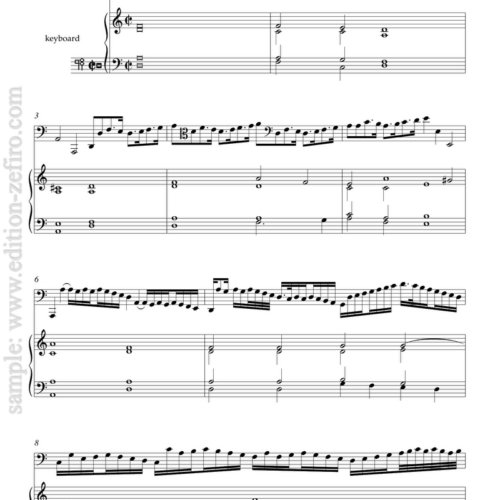 Price range: £3.75 through £7.50
You saveBonizzi: Alcune opere di diversi Auttori (1626) volume I
Select options This product has multiple variants. The options may be chosen on the product page -
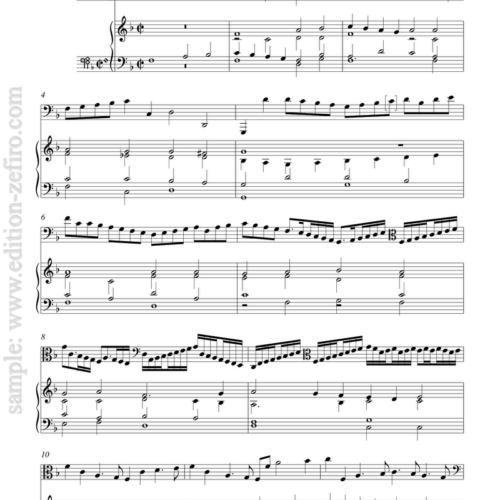 Price range: £3.75 through £7.50
You saveBonizzi: Alcune opere di diversi Auttori (1626) volume II
Select options This product has multiple variants. The options may be chosen on the product page -
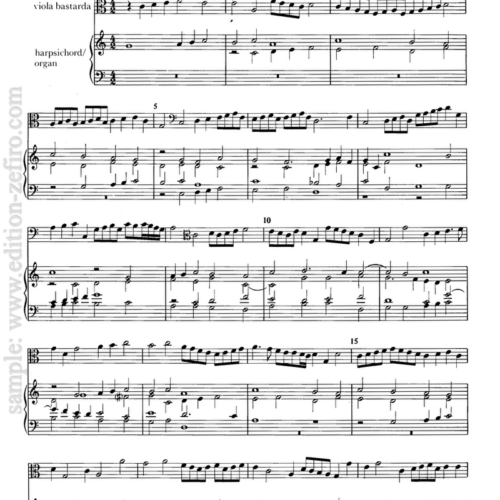 Price range: £6.00 through £12.00
You saveDalla Casa: Canzoni da sonar con la viola bastarda
Select options This product has multiple variants. The options may be chosen on the product page -
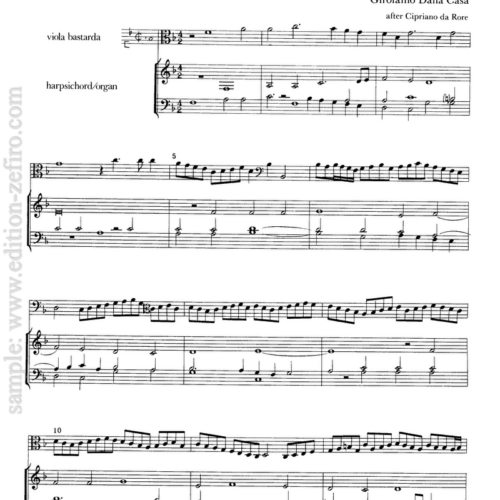 Price range: £5.25 through £10.50
You saveDalla Casa: Madrigali da sonar con la viola bastarda
Select options This product has multiple variants. The options may be chosen on the product page -
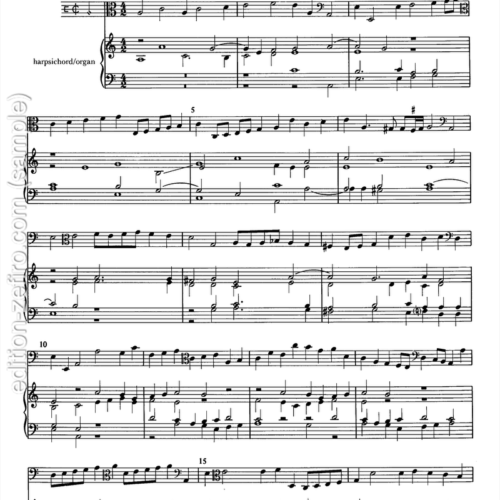 Price range: £3.25 through £6.50
You saveRogniono: Viola bastarda settings
Select options This product has multiple variants. The options may be chosen on the product page -
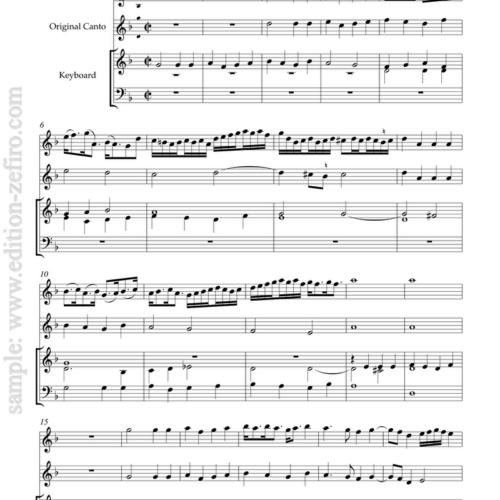 Price range: £3.25 through £6.50
You saveRognoni: Canzon La Porcia
Select options This product has multiple variants. The options may be chosen on the product page