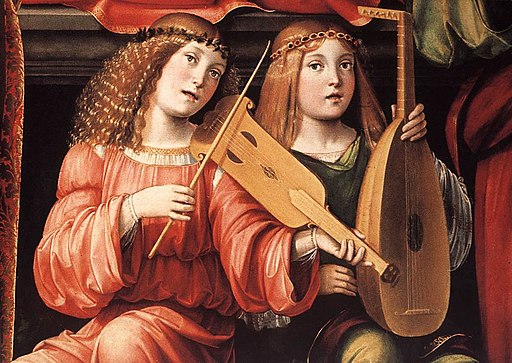

with Pieter and François Hemony
(1875 Drawing)
Jacob van Eyck (c. 1590 – 26 March 1657) was a Dutch nobleman and musician. He was one of the best-known musicians of the Dutch Golden Age, working as a carillonist and carillon technician, an organist, a recorder virtuoso, and a composer. He was an expert in bell casting and tuning, and taught Pieter and François Hemony how to tune a carillon.
Van Eyck is credited with developing the modern carillon together with the brothers in 1644, when they cast the first tuned carillon in Zutphen, Netherlands. He is also known for his collection of 143 melodies for recorder, Der Fluyten Lust-hof, the largest work for a solo wind instrument in European history.
Born blind, he lived with his mother and father well into adulthood.[1] Van Eyck became involved as a player and technician of village’s carillon by 1619. He met with several craftsmen and the city organist to discuss changes and improvements to the carillon, which he carried out in 1620 and 1621.
Showing all 5 results
-
 Price range: £3.50 through £7.00
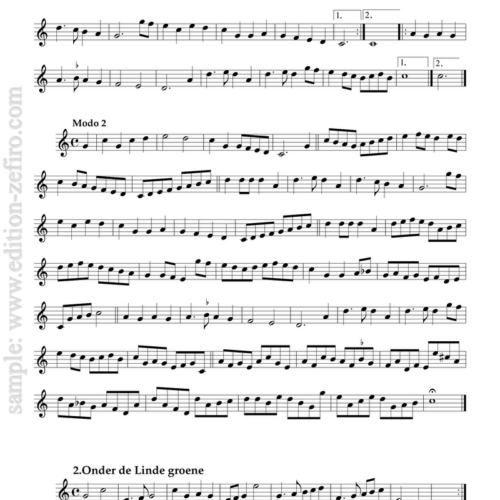
Eyck: 20 pieces from Der Fluyten Lust-Hof
Select options This product has multiple variants. The options may be chosen on the product page -
 Price range: £12.50 through £25.00
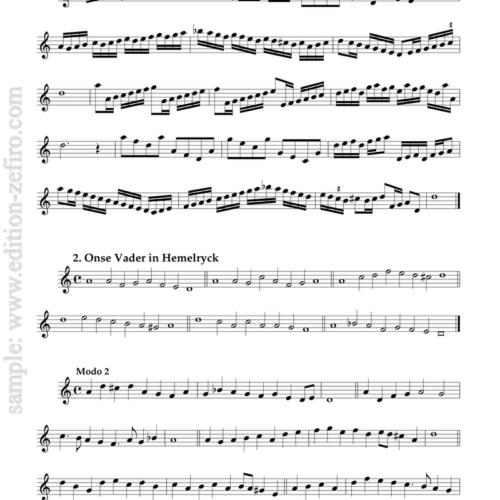
Eyck: Der Fluyten Lust-Hof (complete)
Select options This product has multiple variants. The options may be chosen on the product page -
 Price range: £5.00 through £10.00
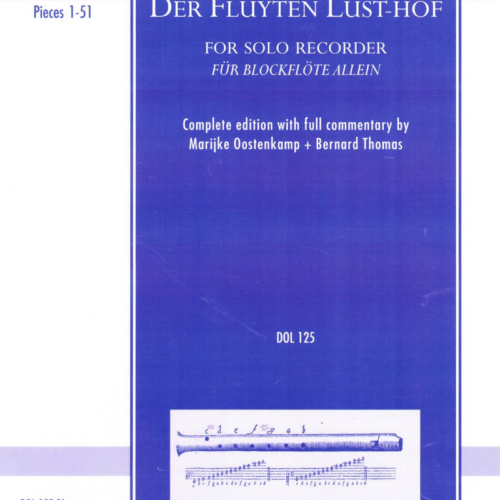
Eyck: Der Fluyten Lust-Hof, Volume I
Select options This product has multiple variants. The options may be chosen on the product page -
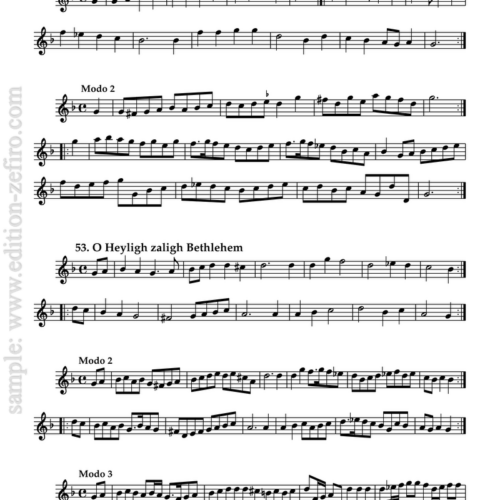 Price range: £5.00 through £10.00
Eyck: Der Fluyten Lust-Hof, Volume II
Select options This product has multiple variants. The options may be chosen on the product page -
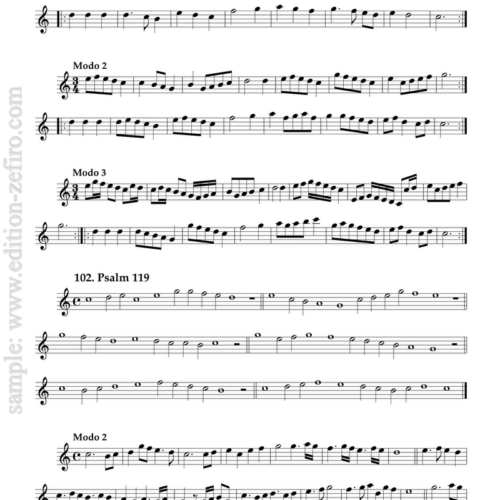 Price range: £4.00 through £8.00
Eyck: Der Fluyten Lust-Hof, Volume III
Select options This product has multiple variants. The options may be chosen on the product page