• Skip to content

Edition Zefiro

Early music scores for sale online

  • Explore
    • Look here first
    • Composers
    • Instrumental music
      • Recorder
      • Recorder (solo)
      • Crumhorn
      • Viol
      • Violin & Strings
      • Early Keyboard
    • Christmas music
    • Vocal music
    • The Solo page
    • The Continuo Page
    • The Dance page
    • The Collections page
    • The Education page
  • Store
    • Featured
    • Checkout
    • Basket
    • My account
    • Terms and Conditions
  • About Us
  • Help
    • FAQ-Zefiro
    • Extend your license

Ludovico Agostini

Ludovico Agostini

Lodovico Agostini (1534 – 1590) was an Italian composer, singer, priest, and scholar of the late Renaissance.

He was the illegitimate son of Agostino Agostini, a singer and priest of Ferrara mostly active in the 1540s. Lodovico also became a priest. By 1572, he was singing in the chapel of Ferrara Cathedral, and by 1578 he was on the payroll of Duke Alfonso II d’Este, one of the most famous patrons of music of the late 16th century.  Lodovico was a favorite of the Duke, and he remained in his service for the rest of his life.

In the 1580s, he instructed the Duke of Mantua, Guglielmo Gonzaga in composition and dedicated a book of madrigals to him. Gonzaga went on to become a composer of madrigals himself, and in addition was a close associate of Palestrina.

Agostini was on good terms with many members of the aristocracy, as well as the famous poets Tasso and Guarini, and other musicians at the court, including Luzzasco Luzzaschi, the most famous of the Ferrarese madrigalists.

While retaining his association with the intensely secular Estense court, he also had a distinguished ecclesiastical career, eventually becoming a Monsignore and an apostolic protonotary.

Agostini was fond of musical enigmas, puzzles, surprise and double-entendre, and his many musical collections display this. Enigmi musicali and L’echo, et enigmi musicali are canons to be solved by riddles, full of unusual chromatic progressions, instrumental interpolations, and other musical curiosities.  Some of his books of madrigals are written in a virtuoso singing style obviously intended for the three members of the concerto di donne (Laura Peverara, Anna Guarini, and Livia d’Arco). His third book of madrigals, for six voices (1582), appears to be the earliest collection of the actual repertory of this ensemble.

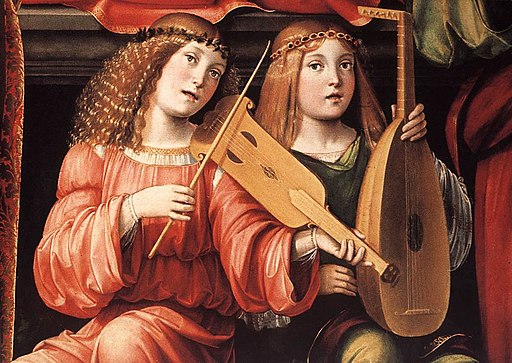
Francesco Francia Painting

Lodovico Agostini (1534 – 1590) was an Italian composer, singer, priest, and scholar of the late Renaissance.

He was the illegitimate son of Agostino Agostini, a singer and priest of Ferrara mostly active in the 1540s. Lodovico also became a priest. By 1572, he was singing in the chapel of Ferrara Cathedral, and by 1578 he was on the payroll of Duke Alfonso II d’Este, one of the most famous patrons of music of the late 16th century.  Lodovico was a favorite of the Duke, and he remained in his service for the rest of his life.

In the 1580s, he instructed the Duke of Mantua, Guglielmo Gonzaga in composition and dedicated a book of madrigals to him. Gonzaga went on to become a composer of madrigals himself, and in addition was a close associate of Palestrina.

Agostini was on good terms with many members of the aristocracy, as well as the famous poets Tasso and Guarini, and other musicians at the court, including Luzzasco Luzzaschi, the most famous of the Ferrarese madrigalists.

While retaining his association with the intensely secular Estense court, he also had a distinguished ecclesiastical career, eventually becoming a Monsignore and an apostolic protonotary.

Agostini was fond of musical enigmas, puzzles, surprise and double-entendre, and his many musical collections display this. Enigmi musicali and L’echo, et enigmi musicali are canons to be solved by riddles, full of unusual chromatic progressions, instrumental interpolations, and other musical curiosities.  Some of his books of madrigals are written in a virtuoso singing style obviously intended for the three members of the concerto di donne (Laura Peverara, Anna Guarini, and Livia d’Arco). His third book of madrigals, for six voices (1582), appears to be the earliest collection of the actual repertory of this ensemble.

Showing all 3 results

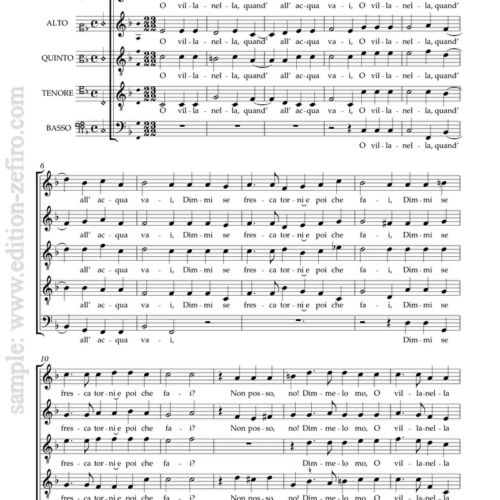
  • Five Canzoni Napolitane (1574) (selection 1) : Ludovico Agostini £4.25 – £8.50Price range: £4.25 through £8.50

    Agostini: Five Canzoni Napolitane (1574) (selection 1)

    Select options This product has multiple variants. The options may be chosen on the product page
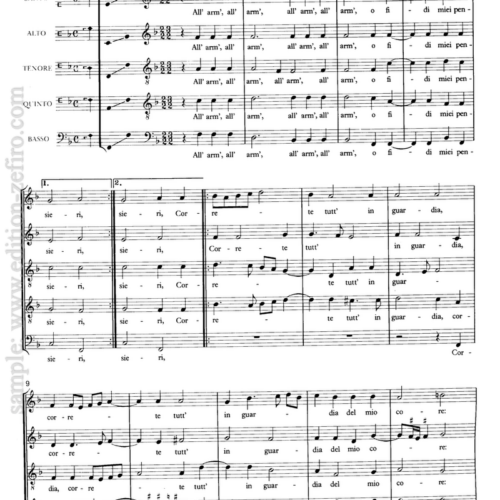
  • Ludovico Agostini - Four Canzoni Alla Napolitana (1574) selection 2 £4.25 – £8.50Price range: £4.25 through £8.50

    Agostini: Four Canzoni Napolitane (1574) (selection 2)

    Select options This product has multiple variants. The options may be chosen on the product page
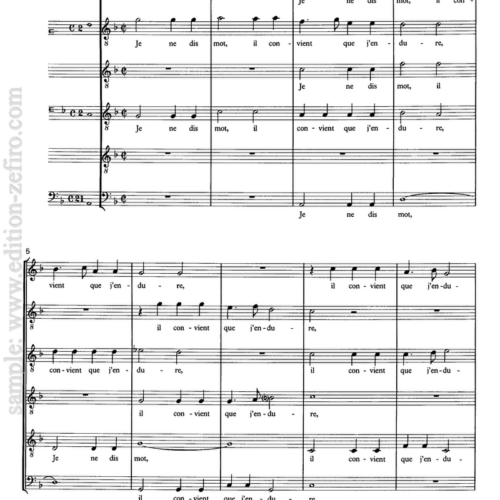
  • Music for Crumhorns volume 2 £4.50 – £9.00Price range: £4.50 through £9.00

    Music for Crumhorns, Volume 2

    Select options This product has multiple variants. The options may be chosen on the product page